3D ART
3D that earns its place in the frame.
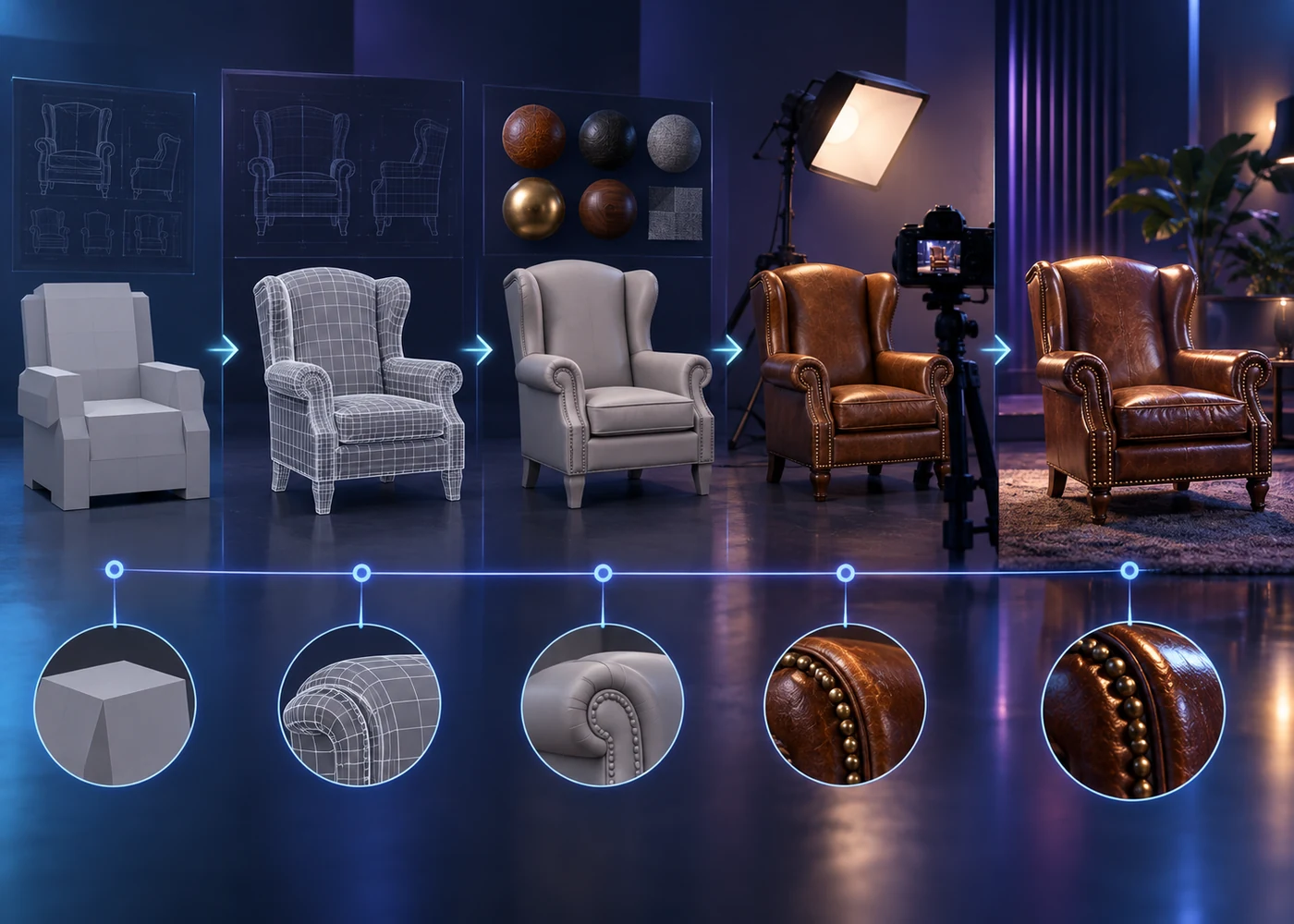
We model and render in Blender when a product, space, or idea is clearer in 3D than in a flat graphic. The work is built for the shot: a product visual, a social clip, or a still the rest of the campaign can use.
WHAT'S INCLUDED
Everything 3d art covers.
Blender models, product visuals, and scenes built for the shot.
Product modelling
Clean Blender models of products and objects, built to be rendered from the angles the brief needs.
Look development
Materials, lighting, and colour set so the render matches the brand instead of looking like a default scene.
Still renders
Hero images and alternate angles for websites, ads, and packaging presentations.
Simple motion
Turntables and short moves that can drop into a video edit or a product page.
Scene setup
Environments and staging when the object needs a place, not just a white background.
Usable files
Final renders in the agreed formats, with editable source files when included in the contract.
PROBLEMS WE SOLVE
What usually brings people here.
These are the situations clients describe when they come to us for this work.
The product does not exist yet, or it cannot be photographed in time.
Flat graphics cannot show how the object is built or how it sits in a space.
Stock 3D looks generic next to the rest of the brand.
Renders arrive in one size and cannot be reused in video or print.
BENEFITS
What changes afterwards.
Show the product early
A model can stand in before photography, or alongside it when a physical shoot is impractical.
Control the shot
Angle, light, and material can be revised without booking another shoot.
Match the brand
Colour and finish follow the identity instead of a generic render look.
Reuse the asset
The same model can supply stills, alternate views, and simple motion.
PROCESS
How the work runs.
Brief and references
We agree what the 3D has to show, the angles, and the references for material and light.
Block and review
A simple model and camera are reviewed before time goes into detail.
Look and render
Materials and lighting are refined, then stills or motion are rendered for review.
Deliver the files
Final images and any agreed Blender source files are organised for handover.
Your proposal confirms which deliverables, review rounds and source files are included.
Typical deliverables
- Blender source file when included in the agreement
- Approved still renders at the sizes the brief needs
- Alternate angles agreed in the scope
- Simple turntable or motion pass when the brief includes it
- Preview frames for review before the final render
- A short note on how the files are organised
Who is this for?
Rendering can fit planned variants, a product not yet available for a shoot or a composition that needs controlled camera and lighting.
When a smaller scope may be enough
Photography may be simpler when a physical sample exists and actual use or irregular textures are central to the image.
What affects the cost?
An existing usable model can reduce setup work. Geometry, material detail, lighting, views, resolution and animation affect production. Model rights and source-file handover need agreement; the number of final images alone is not enough to estimate the job.
Discuss a 3D projectWhat to bring to the brief
Bring measurements, CAD or model files if available, reference photos, packaging artwork and material details.
Related guidance
Product renders or photography: what are the trade-offs?
| Consideration | 3D renders | Photography |
|---|---|---|
| Inputs | Accurate geometry, dimensions and material references | Physical samples, a shoot setup and styling |
| Variants | Model and material changes can produce alternate views | Additional samples or retouching may be needed |
| Real-world context | A scene must be built or combined with other assets | Can capture actual use, people and irregular textures |
| Scope | Modelling, lighting, views and output resolution | Shoot logistics, subjects, lighting and retouching |
The finished product studies show materials and lighting, while the case study clearly identifies the missing production history. Product visualization evidence.
WHY ZYFISTA
How we work on 3d art.
The same principles run through every engagement, whatever the service.
Design that supports business goals
Every page has a job. Layout, hierarchy, and copy are judged on whether they help it do that job.
Development built for scale
Typed, documented code and content models that hold up when the site doubles in size.
SEO considered from day one
Structure, markup, and internal linking are designed in, planned early so content and engineering support each other.
Clear project communication
A staging URL you can check any time, weekly written updates, and early warning when something slips.
RELATED WORK
3D Art in practice.
Real portfolio work and clearly labelled studies that show how this capability is applied.
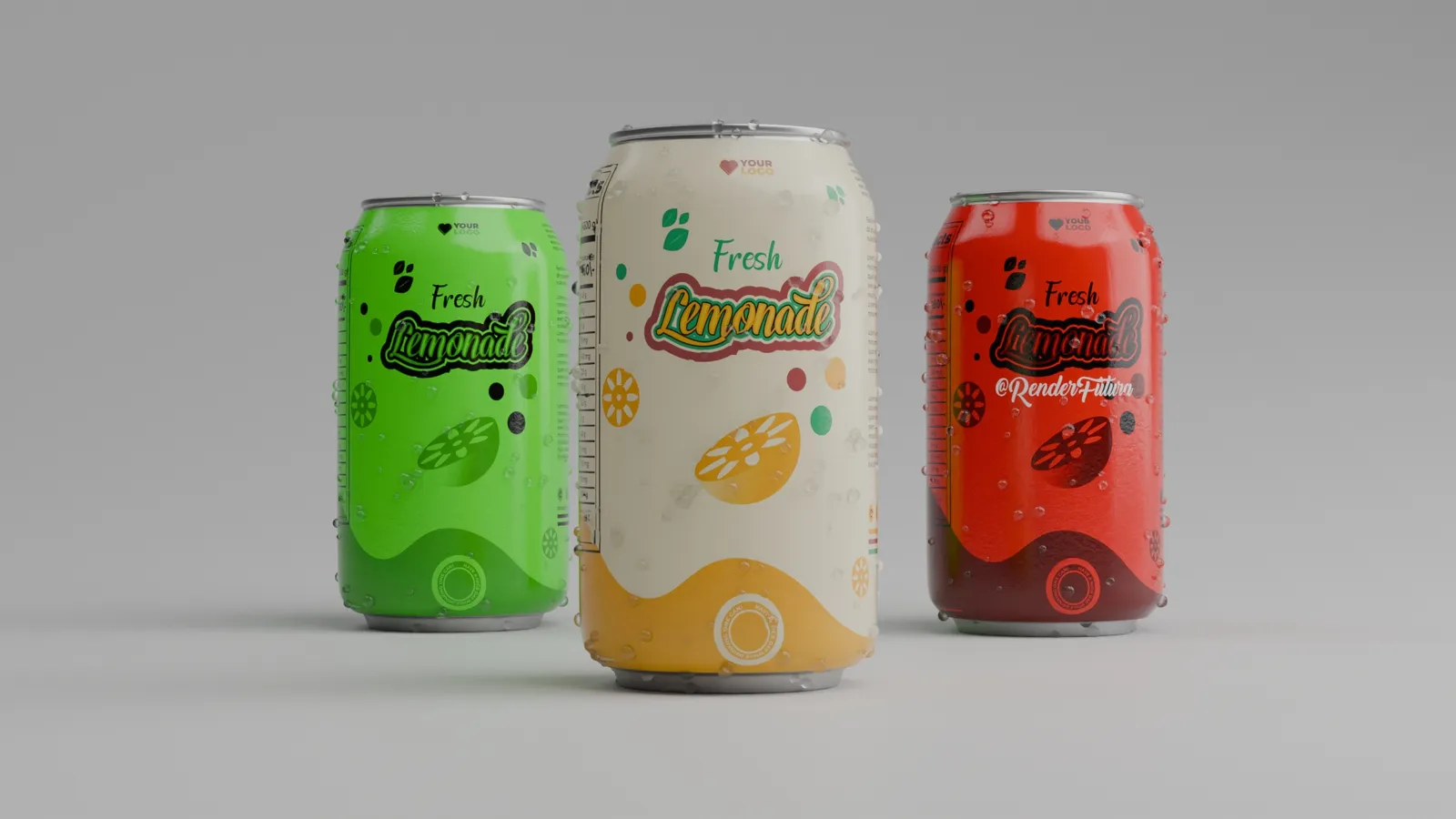
3D Product Visualization
Product Visualization Studies
A set of product-focused renders exploring materials, lighting, composition, and campaign-ready presentation.
View project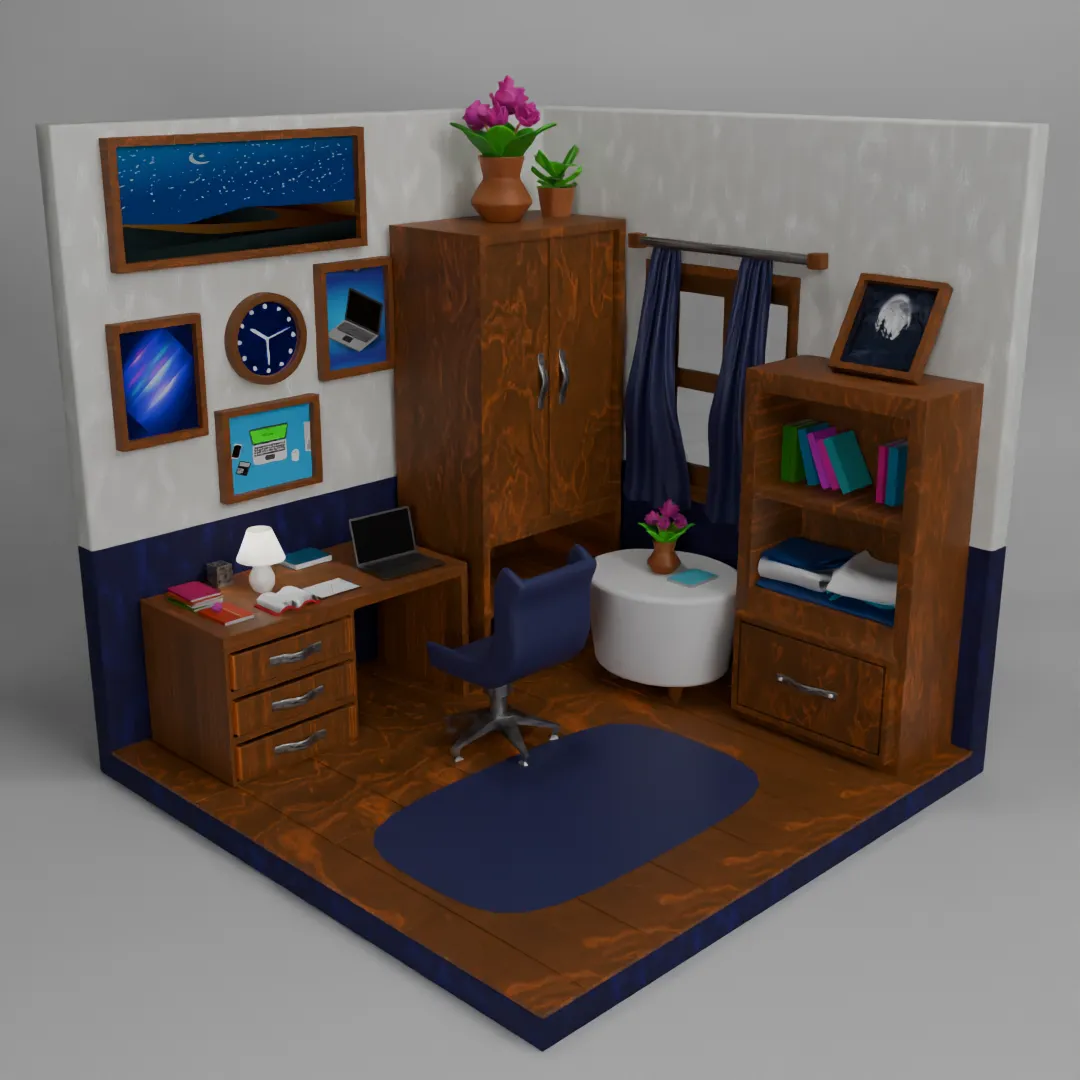
3D Environment Design
Interior Visualization Study
Interior and isometric environment studies built around spatial clarity, practical staging, and controlled light.
View project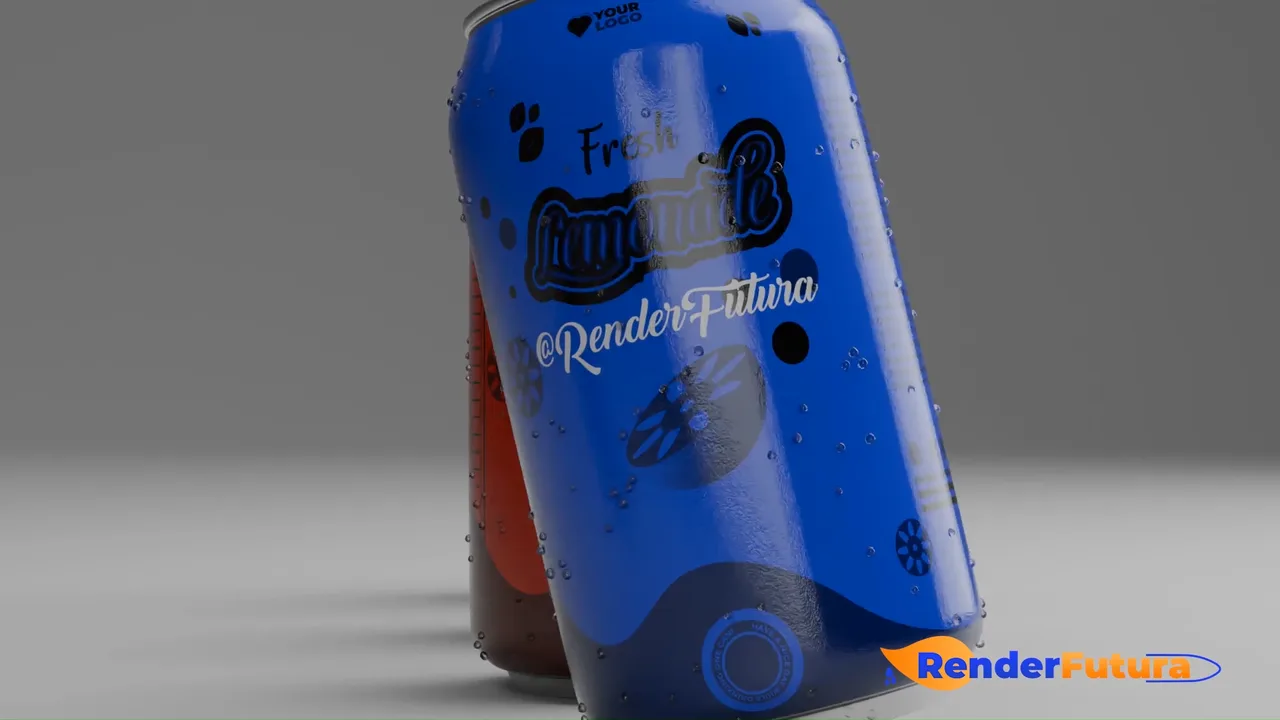
3D Motion & Product Animation
Product Motion Studies
Short product animations combining controlled camera movement, simulated motion, and concise commercial pacing.
View project
FAQS
Questions about 3d art.
Do you work in Blender?
Yes. Modelling, materials, lighting, and rendering for this service are done in Blender.
Can you match an existing product photo?
We can work from photos, drawings, and measurements. The closer the reference, the closer the render.
Do you animate as well as render stills?
Short moves and turntables are part of the service when they are in the brief. Longer edits are handled as video editing.
Who owns the model?
The contract defines rights to the approved asset, final renders and any Blender source files. Confirm editable-file delivery and third-party asset licences before production.
Should I use product photography or 3D rendering?
Photography captures a physical sample and can suit real-world textures or people using the product. Rendering can suit planned variants, controlled compositions or products that are not ready for a shoot. Both need accurate references and a clear image brief. Compare modelling effort, available samples and the number of views before deciding; neither method is always cheaper.
What files are needed for a product render?
Useful inputs include a model or CAD file if available, dimensions, reference photos, label artwork and material specifications. Agree the camera angles and final image sizes too. If no usable model exists, modelling becomes part of the scope. Our portfolio contains finished studies, so it does not establish which original source files or reference packs were used.
What affects the cost of product visualization?
Geometry complexity, material detail, the number of views or variants, output resolution and revision requirements affect the work. Animation adds movement and a sequence of frames rather than one still. Approve the product shape and visual direction before final rendering where the brief permits. A scoped estimate is more useful than a price that ignores the inputs and required outputs.
Ready to start on 3d art?
Tell us what you are working with and what it has to achieve. You will get a specific proposal, not a generic package.