BRANDING
A brand your team can actually apply.
Brand work fails when it ends at a logo and a colour palette. We deliver positioning, an identity system, and the templates and rules that let your team use it consistently without asking a designer every time.

WHAT'S INCLUDED
The branding engagement.
Positioning, identity, and a system your team can apply.
Positioning
Who you are for, what you do differently, and the words that make it land.
Identity design
Logo system, colour, typography, and the supporting elements that carry the look.
Messaging framework
Value proposition, proof points, and tone notes writers can follow.
Brand guidelines
Practical rules with examples of correct and incorrect use, not a fifty-page abstract document.
Applied templates
Social, presentation, document, and ad templates so the system survives contact with real work.
Digital brand extension
How the identity translates into UI, states, density, and accessibility contrast checked.
BENEFITS
Why it is worth doing properly.
A clear position
A stated difference that your team, your site, and your ads can all repeat consistently.
Consistency without policing
Templates and tokens make the on-brand option the easiest option.
Built for screens
Contrast, small sizes, and interface use are tested, not assumed.
Room to grow
A system that extends to new products and channels without another rebrand.
PROBLEMS WE SOLVE
The things people tell us.
These are the situations clients describe when they come to us for this work.
Every deck, ad, and page uses slightly different colours and type.
Nobody can explain in one sentence what makes the company different.
The logo works on a business card and falls apart on a screen.
The brand guidelines exist but nobody opens them.
DELIVERABLES
Typical deliverables.
These are possible deliverables, not a bundled promise. Your proposal names the files, functionality, review rounds and handover included.
- Positioning and messaging framework
- Primary and responsive logo system with usage rules
- Colour, typography, and visual language specification
- Brand guidelines document with real examples
- Editable templates for social, documents, and presentations
- Digital token set ready for the website build
PROCESS
How the work runs.
Research and interviews
We talk to your team and look hard at the competitive set before proposing a direction.
Position and narrative
Positioning and messaging are agreed in writing before any visual exploration.
Identity exploration
Two or three distinct routes, each tested in realistic applications rather than on a blank page.
Systemise and roll out
The chosen route is built into guidelines, templates, and tokens your team can use immediately.
Who is this for?
Identity work can fit when the website, product packaging and campaign assets need a consistent visual direction.
When a smaller scope may be enough
A focused logo adjustment or a few templates may be enough if the current identity works and the problem is inconsistent use.
What affects the cost?
Research depth, concepts, touchpoints, templates and guideline detail affect the scope. Revision rounds and stakeholder approvals affect the schedule. A logo refresh and a full identity rollout should not carry the same deliverable list.
Talk about your brandWhat to bring to the brief
Bring your business background, audience, existing identity and the places the work needs to appear.
Related guidance
See the work behind the answer
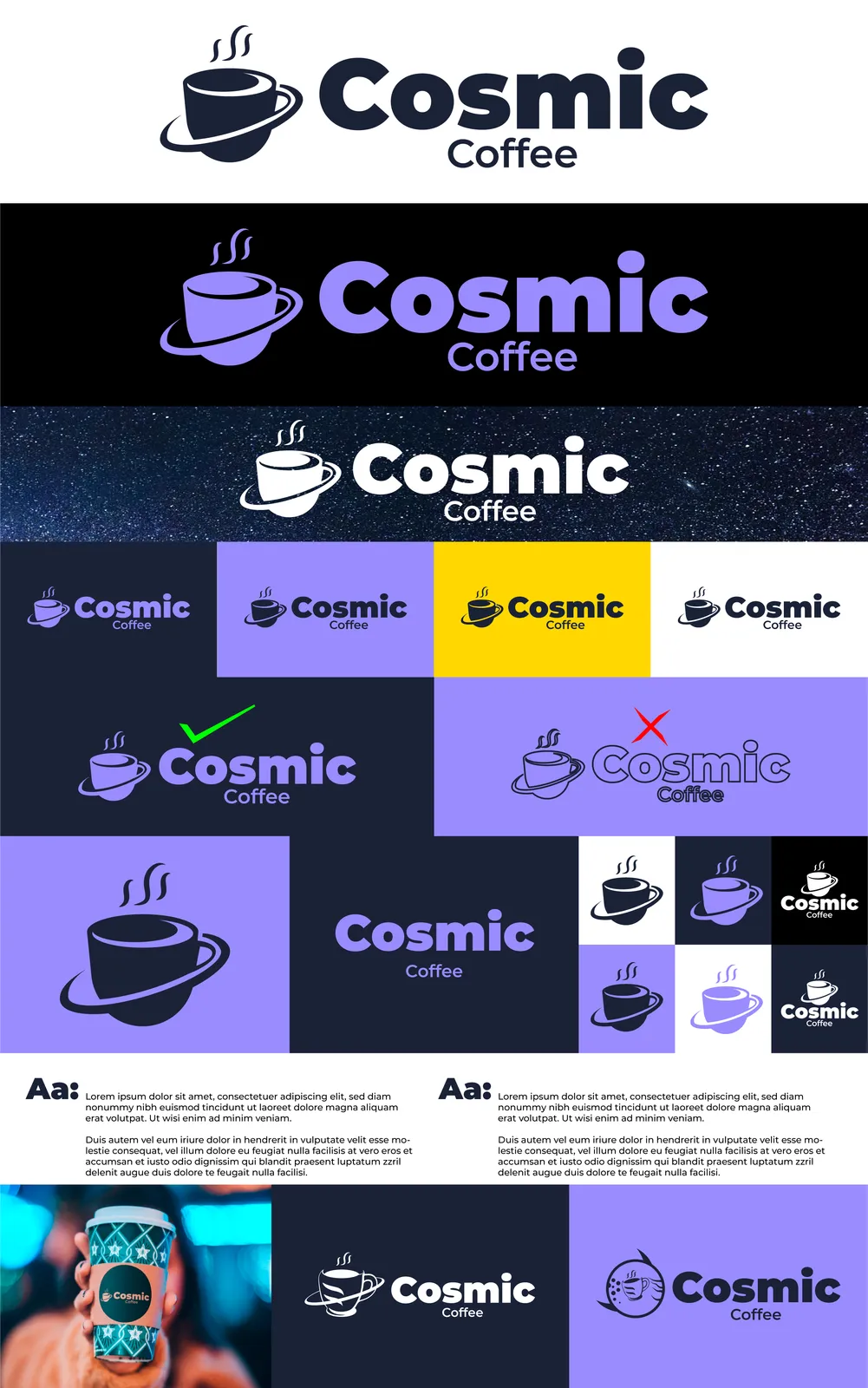
The supplied identity boards demonstrate marks, colour variations and presentation. They do not imply brand commissions or endorsements. Identity studies.
WHY ZYFISTA
How we work on branding.
The same principles run through every engagement, whatever the service.
Development built for scale
Typed, documented code and content models that hold up when the site doubles in size.
SEO considered from day one
Structure, markup, and internal linking are designed in, planned early so content and engineering support each other.
Clear project communication
A staging URL you can check any time, weekly written updates, and early warning when something slips.
Long-term growth mindset
We would rather build something you can extend for years than something that needs replacing in eighteen months.
RELATED WORK
Branding in practice.
Real portfolio work and clearly labelled studies that show how this capability is applied.
FAQS
Questions about branding.
Do you do naming?
We support naming with positioning work, shortlists, and screening guidance. Trademark clearance needs a qualified attorney and we will tell you to get one.
Can you refresh rather than replace our brand?
Often that is the right call, particularly where there is recognition worth keeping. We will recommend a refresh over a rebuild when the equity justifies it.
How long does a brand project take?
Typically several weeks depending on how many stakeholders need to be involved and how much research is required. We agree the schedule before starting.
Do we own the final assets?
The agreement defines ownership of the approved identity, editable-file delivery and any licensed assets. Confirm those terms before the project starts; source files and unused concepts should be named explicitly.
Is a logo enough, or do I need a brand identity?
A logo is one identifier; an identity sets out how that identifier works with type, colour, imagery and layouts. A small business may need a modest set of consistent assets rather than a large brand manual. Decide which touchpoints you need to launch, such as the website and social profiles, then scope the system around those uses.
Will I receive editable files and brand guidelines?
The proposal should name the editable files, exports and guidelines included in the handover. Agree which approved designs are transferred, whether unused concepts are included and which font or image licences you need. Our identity work can include usage guidance, but a complete brand manual is a distinct deliverable rather than something implied by a logo export.
What happens if I need more design revisions?
Revision rounds should be agreed with the deliverables and approval stages. Refining an approved direction is different from changing the audience, name or brief after the design has progressed. Bring consolidated feedback from the decision-makers into each round. If the request changes the scope, agree its cost and schedule before further work rather than treating revisions as unlimited.
Ready to start on branding?
Tell us what you are working with and what it has to achieve. You will get a specific proposal, not a generic package.